
Table of contents
Complex dental procedures deserve expert care in an environment where your comfort comes first. At VITAdent, our experienced oral surgeon in Sheepshead Bay, Dr. Igor Levin, provides oral surgery designed to restore your smile’s health and function, from tooth extractions and gum surgery to bone grafting and sinus lifts. Using digital imaging and gentle, precise techniques, Dr. Levin guides you through every step of treatment.
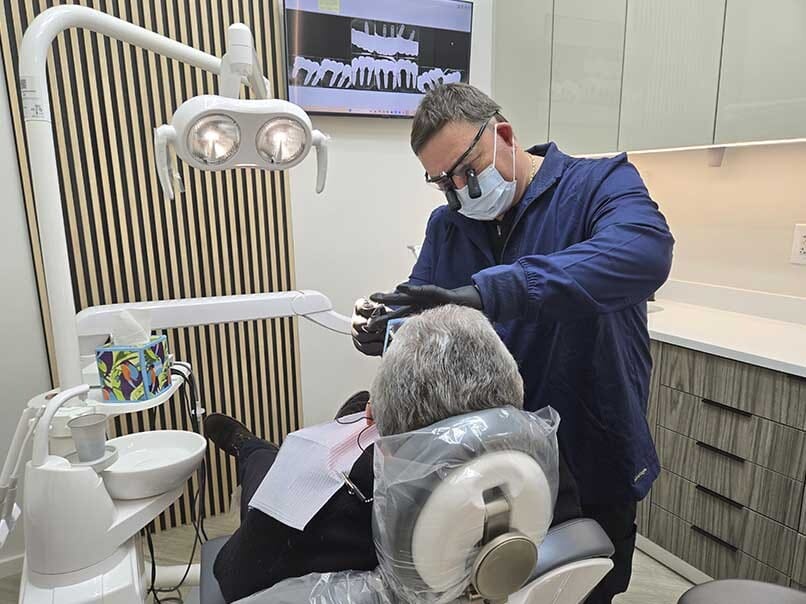
Oral Surgery Treatments in Sheepshead Bay
As trusted oral surgeons in Sheepshead Bay, Brooklyn, the VITAdent team treats a wide range of complex dental conditions.
Our most common procedures include:
Tooth Extractions
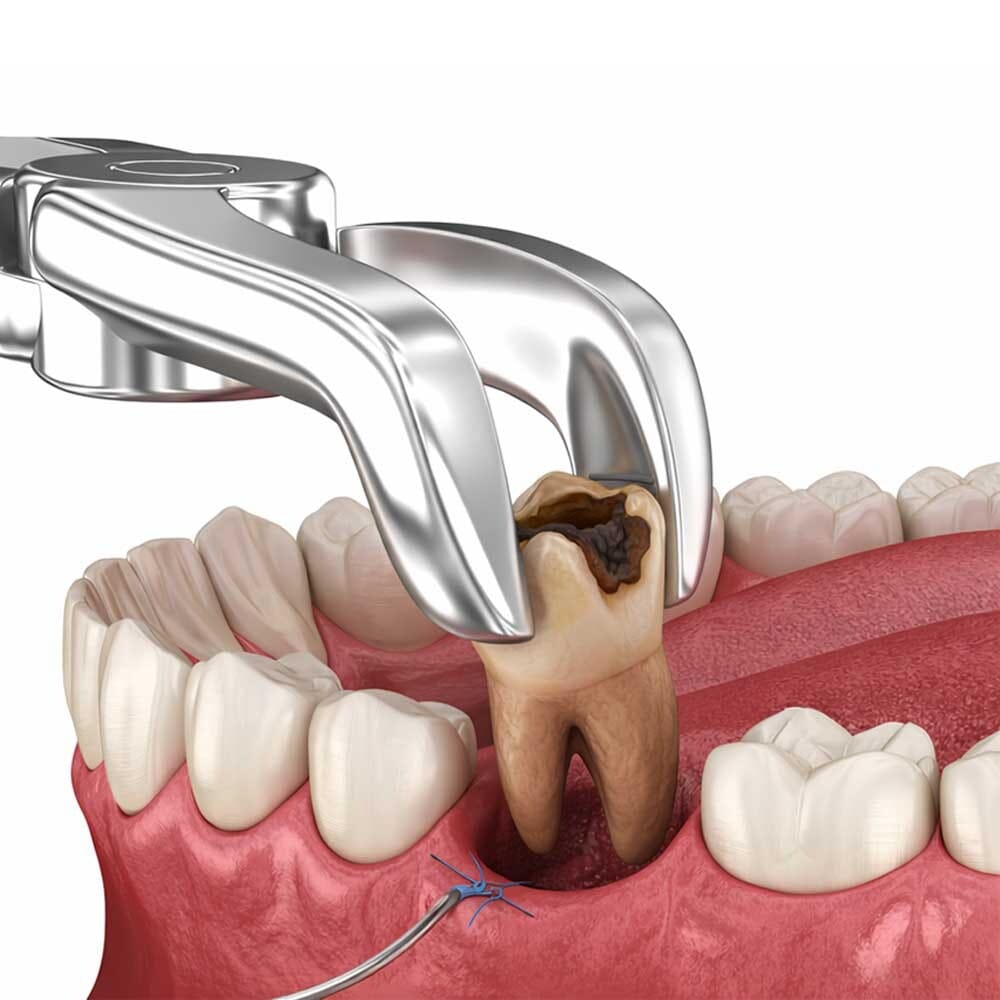
Although we strive very hard to protect and preserve your natural teeth, sometimes we must remove one or more to protect your dental and overall health.
Whenever possible, we first consider conservative treatments, such as a root canal to save the tooth, before recommending extraction. Tooth removal may be necessary if you have impacted or infected teeth that are too severely damaged to be saved.
Gum Surgery
Strong, healthy gums are essential for a healthy mouth. Ideally, these gums should frame your teeth nicely and should be free from infection and disease.
We offer gum surgery and use laser dentistry to address gum issues and gently reshape gummy smiles.
Bone Grafting
Our oral surgeons in Sheepshead Bay often perform a dental bone grafting procedure before dental implant surgery. Bone grafting is a straightforward process designed to restore the jawbone in areas where it is weak or too thin to support implants adequately.
Bone grafting can also address deficiencies in the jawbone that may be due to trauma or other conditions.
Sinus Lift or Augmentation
A sinus lift is a form of dental bone grafting used to increase the amount of jawbone available around the sinus cavities in the upper jaw. It is frequently required when replacing the upper back teeth with implants, as the jawbone tends to be naturally thinner and weaker in this area.
What Our Patients Say About Us?
When Is Oral Surgery Needed?
There are several situations where we may suggest oral surgery, including:
- Removing the infected or impacted teeth.
- Addressing jawbone loss.
- Preparing the jaw for implants or dentures.
- Treating gum infections or a gummy smile.
Oral Surgery Process Step-By-Step
Every oral surgery process will be slightly different, depending on the treatment you need and your unique oral health needs. However, a brief overview of what to expect is below.
You will find more detailed information on the dedicated treatment pages.
Step One: Consultation & Diagnostic Imaging
An initial consultation will help identify if you require oral surgery, and diagnostic imaging can assist in confirming any problems or visualizing them more clearly.
Diagnostic images may include digital dental x-rays or 2-D scans of your teeth and jaws. Occasionally, we may recommend a 3-D scan, known as a cone-beam CT scan. The information is used to plan your treatment properly.
Step Two: Personalized Treatment Plan
After reviewing the diagnostic information, we can devise a personalized treatment plan for you and discuss it in detail with you. The plan will outline which treatment we think you need and why. We will explain how it will help you achieve your treatment goals, the time required, and the associated costs.
At this stage, we can also discuss if you require sedation dentistry. This may be recommended if you require a complex tooth extraction, such as wisdom tooth removal or dental bone grafting.
Step Three: Oral Surgery Procedure
Before your oral surgery, we will give you detailed information on how to prepare, when to stop taking any medications, and if you need to stop eating and drinking. If you have sedation dentistry, this will be given before we numb your mouth and begin your treatment.
During your oral surgery, we will closely monitor you to ensure your safety throughout the treatment. We will keep you with us for a short while afterward before sending you home to recover and heal.
Step Four: Post-op Instructions & Recovery Plan
VitaDent will ensure you receive clear post-op instructions, including how to care for your mouth while it heals. This will include information on oral care and suitable foods to eat, especially for the first few days, and is personalized according to the procedure received.
If we have prescribed antibiotics, please take the complete course as directed. We may recommend over-the-counter pain relief to keep you comfortable, or we can prescribe something stronger if necessary.
It can be a good idea to start taking pain relief before the anaesthetic wears off to minimize discomfort.
FREQUENTLY Asked Questions
Will Oral Surgery Feel Painful?
You shouldn’t experience any pain during the oral surgical procedure, as your mouth will be fully numb before we begin. We will check on you frequently to ensure you continue to feel comfortable and pain-free.
Afterward, you may experience some discomfort, depending on the type of treatment you received. We will provide you with detailed information on how to manage any discomfort or pain.
How Long Is Recovery?
Recovery depends on the type of surgical procedure required. It could be as quick as a day, while more complicated Sheepshead Bay oral surgery will need a longer recovery time. We can provide you with a clear indication of your personalized treatment plan.
Is Oral Surgery Safe?
Surgical procedures carry a low level of risk, and we make every effort to minimize this. Before recommending any treatment, Dr. Levin will carefully review your dental and medical history, ensuring that any procedure we recommend is as safe as possible.
If you have a more complex medical history, we may wish to consult with your healthcare providers for your safety and comfort.
Which Foods Can I Eat Afterward?
Your food choices will depend on the type of surgery needed, and you may find it more comfortable to stick to eating cooler, softer foods for the first few days during the initial healing period. As your mouth heals, you can gradually introduce other foods.
There is no need to worry, as we will provide you with more precise information on which foods you can eat so that you can stock up before treatment.
Will Dental Insurance Cover Oral Surgery?
Dental insurance will likely cover procedures such as tooth extractions and certain gum surgeries. It may not cover treatments such as dental bone grafting or sinus lifts, as these are often required before implant treatment.
Often, dental insurance does not cover dental implants, although more insurance companies are recognizing the value of this treatment and no longer regard it as purely cosmetic.
Oral surgery doesn’t have to feel overwhelming. With advanced digital technology, precise techniques, and a compassionate team, Dr. Igor Levin delivers the quality care you expect from a trusted oral surgeon in Sheepshead Bay. Schedule your visit at our dental office in Sheepshead Bay, Brooklyn (11235) today for a seamless, stress-free experience from consultation to recovery.