
Table of contents
Brushing and flossing at home only reach so far. Plaque and tartar build up in places daily habits can’t clean, which is why we provide professional dental cleaning in Sheepshead Bay as a core part of our preventative dental care routine.
What Is a Professional Dental Cleaning?
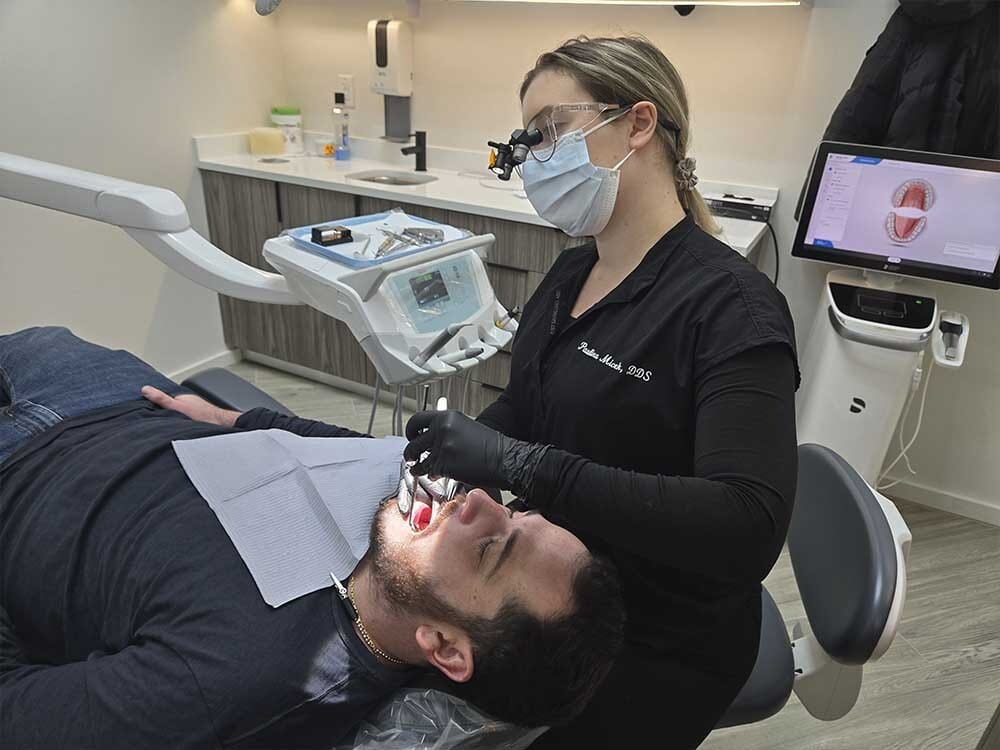
A professional dental cleaning is a preventative treatment that removes plaque and tartar buildup from your teeth using specialized dental instruments, going beyond what daily brushing and flossing alone can reach. Tartar, also known as calculus, is hardened dental plaque that can only be removed by a dental professional.
At our dentistry center in Sheepshead Bay, our fully trained and experienced hygienist team performs this treatment. Since opening on Avenue X, we’ve built our preventative care program around modern equipment and current clinical protocols, so every cleaning follows up-to-date best practices from day one.
Why is a Professional Dental Cleaning Important?
Removing plaque and tartar regularly helps eliminate many harmful bacteria contained within these substances. Getting rid of this buildup regularly is essential as these bacteria release harmful toxins and acids that can infect and inflame your gums and cause cavities.
When plaque and tartar are not removed regularly, there is a much higher risk that you will develop dental problems.
What Happens during a Teeth Cleaning Appointment Step-By-Step
Step One: Review of Dental and Medical History
Before your hygienist begins cleaning your teeth, they will review your dental and medical history to check for any changes. It’s essential to inform your hygienist about any medical conditions and to provide a list of all medications you are currently taking.
Your hygienist may conduct a brief evaluation of your gum health by examining for signs of gum inflammation and taking measurements using a periodontal probe. The probe measures the depth of the space between each tooth and gum, providing a good indication of your gum health. These measurements are recorded and compared to your previous measurements to determine if there have been any significant changes.
Step Two: Dental Scaling
Your teeth must be scaled to remove tartar buildup. An ultrasonic hand tool is used to loosen this buildup. Your hygienist then uses specialized hand tools to carefully scrape away the loosened tartar, removing it from around your gum line, just below, and between your teeth.
Step Three: Tooth Polishing
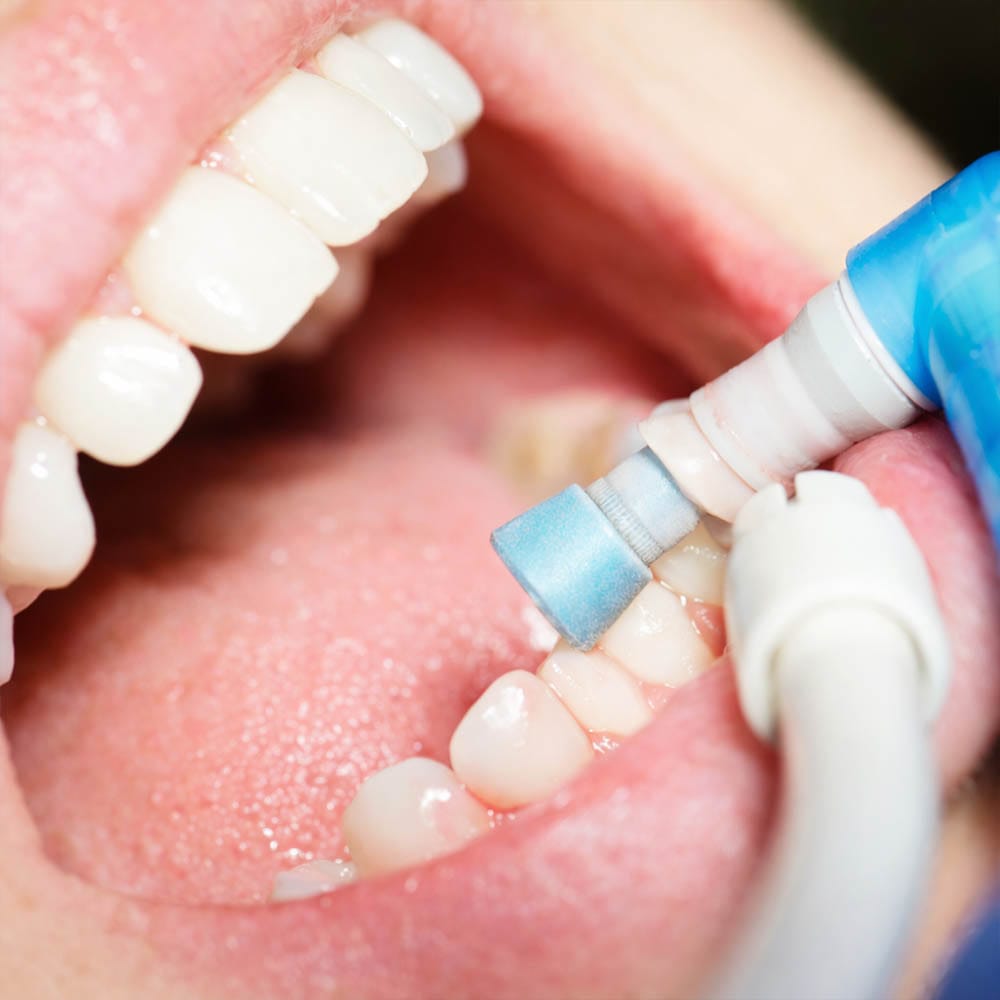
Once all tartar is removed, your hygienist can gently polish your teeth. Polishing them helps smooth tooth enamel. Creating a smooth tooth surface makes it harder for more plaque and tartar to adhere.
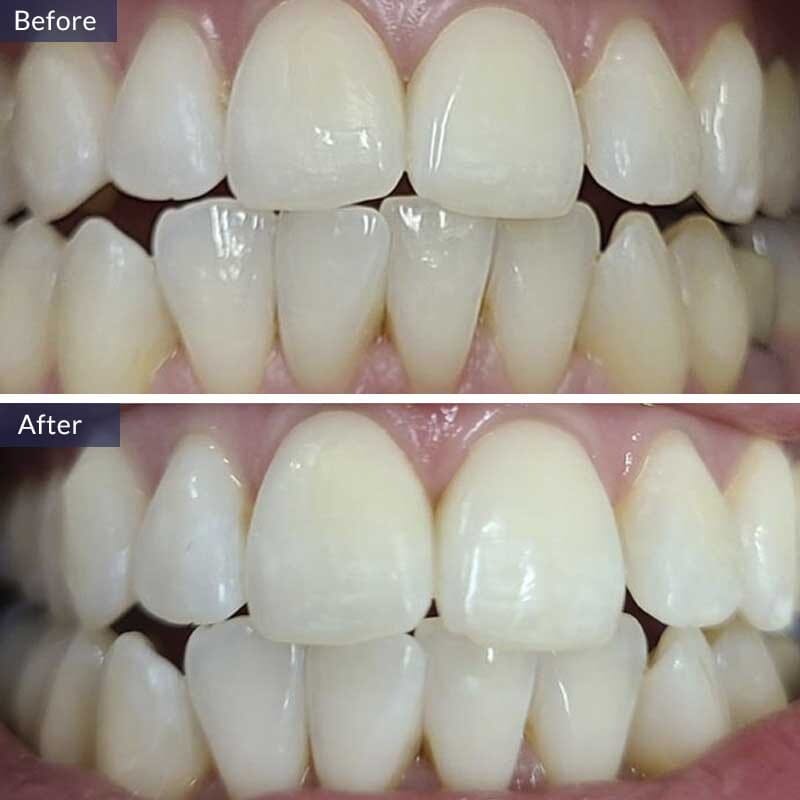
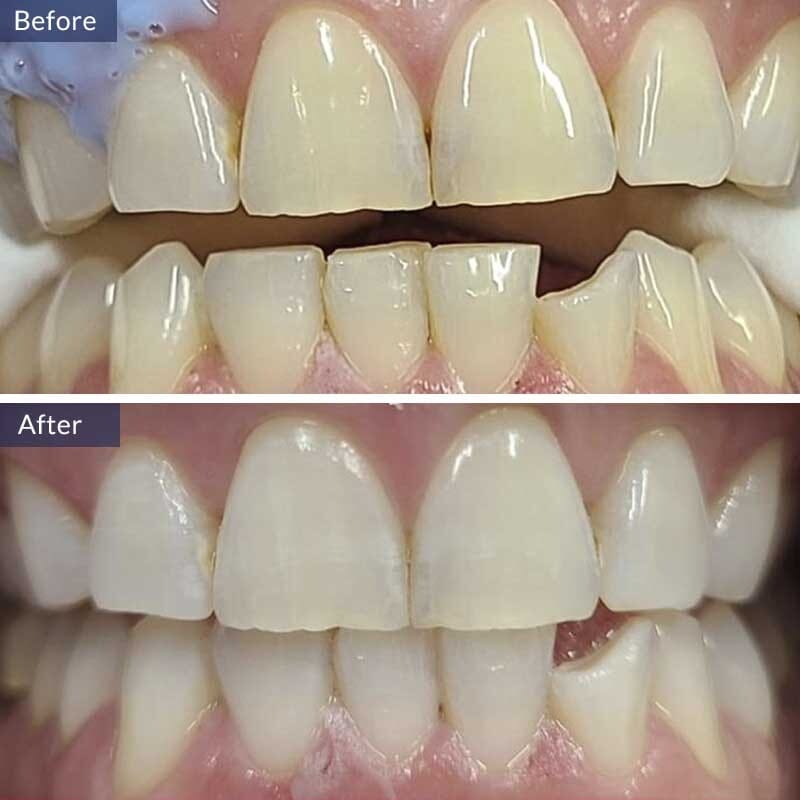
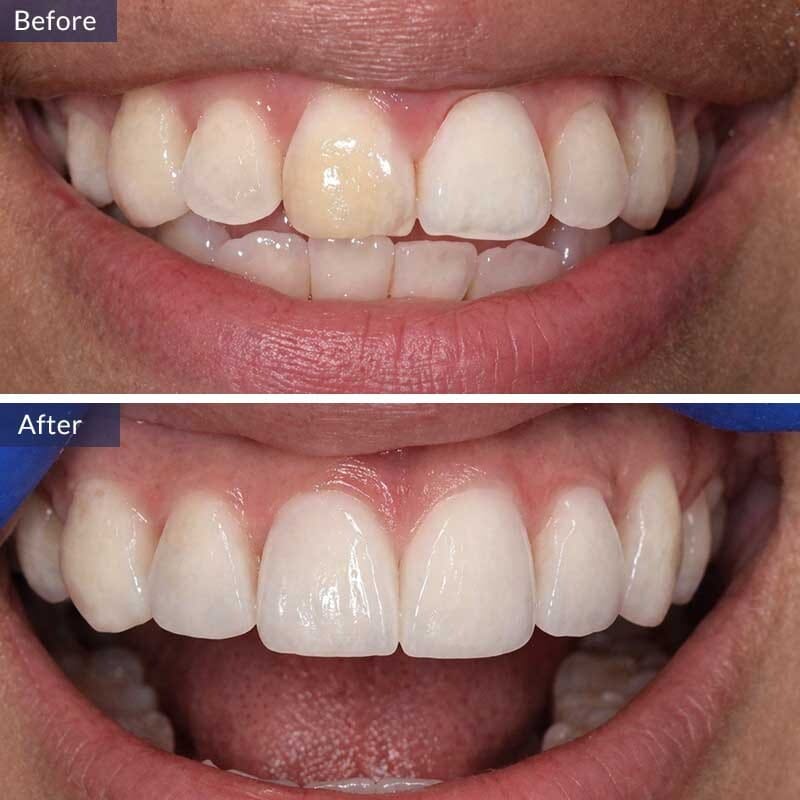
At the same time, polishing your teeth helps remove some surface stains, which is why you may notice your teeth look slightly brighter afterward. For a more noticeable, longer-lasting change in shade, many patients follow up with a teeth whitening treatment.
Step Four: Flossing
Treatment is completed by flossing in between each tooth. During this step, your hygienist will check that all tartar is thoroughly removed and that your teeth are perfectly clean.
Step Five: Fluoride Treatment (if required)
Not everyone will require this step, but if necessary, your hygienist can provide a professional strength fluoride treatment. Fluoride can be administered in several ways, including as a mouth rinse, a mousse or gel in a mouth tray, or as a varnish that is painted onto the teeth and left to penetrate the tooth enamel.
The varnish remains on your teeth until you brush them later, before going to sleep, and does not affect your ability to eat and drink. Fluoride treatment is very quick and entirely painless.
Step Six: Reviewing Your Oral Care Routine
After having your teeth cleaned, your hygienist can review your oral care routine with you, highlighting any areas that may require a bit more attention when brushing and flossing. They can also help you improve your brushing and flossing routine by providing custom instructions and discussing which tools will be most effective.
Dental Cleaning for Sensitive Teeth
Some patients feel mild discomfort during a cleaning, especially around the gumline or on teeth with worn enamel. If you experience dental cleaning sensitive teeth issues, let your hygienist know before you begin.
We can adjust water temperature, use additional topical numbing gel, or switch to hand scaling instead of the ultrasonic tool in sensitive areas. Any discomfort during a routine cleaning should be mild and brief; it’s not something you need to just tolerate.
See Teeth Cleaning Before and After Results
How Often Should I Get My Teeth Professionally Cleaned?
The frequency depends on your oral and overall health, as well as your risk of developing dental diseases. It is determined during your initial dental exam with Dr. Igor Levin and will be outlined in your preventative dental care plan.
Most people only need to have their teeth cleaned every six months. Individuals with active gum disease, ongoing issues with tooth decay, or those with medical conditions that increase their risk of oral disease will benefit from more frequent dental cleanings. We may recommend that these patients visit us every three to four months.
Who Needs a Professional Dental Cleaning?
Everyone, regardless of age or oral health, will benefit from regular visits to a dental hygienist for professional teeth cleaning. It is especially important to schedule a visit if it has been six or more months since your last teeth cleaning. You will also benefit if you smoke or drink a lot of sugary beverages.
Individuals wearing dental appliances, such as fixed braces or partial dentures, should undergo regular dental cleanings to maintain their oral health. This is because these appliances can trap plaque and tartar and can be tricky to clean thoroughly.
What Our Patients Say About Us?
Benefits of a Professional Dental Cleaning
When you have a dental cleaning, benefits can include:
- Preventing tooth decay and gum disease.
- Freshening breath.
- Detecting early signs of dental problems.
Additionally, after a treatment, your mouth will feel fresh and clean. Your teeth will feel smooth and may appear slightly brighter, making it a great way to boost self-confidence while protecting your dental health.
FREQUENTLY Asked Questions
How To Find a Dentist Offering Teeth Cleaning Near You?
If you’re looking for a reputable dental hygienist in your area, here are a few tips:
- Request advice from your primary care provider, friends, or family members.
- Search online for phrases like “dental cleaning near me” and “teeth cleaning near me.”
- Read online reviews and check ratings of local dental practitioners.
- Look for dentists who use modern equipment and advanced cleaning techniques, such as ultrasonic scaling or laser therapy.
- Check if the dentist accepts your insurance or offers transparent pricing for services.
- Once you’ve narrowed down your selection of reputable dentists, meet with a couple of them to discuss your treatment options and ask about their approach to deep cleaning.
Is a Teeth Cleaning Painful?
A typical dental cleaning should not be painful. If you experience any discomfort, we can always numb your gums to alleviate it.
How long will a Dental Cleaning Take?
It will take approximately 30 minutes to an hour. The time needed depends on the extent of dental plaque and tartar buildup.
Will Dental Insurance Cover the Cost?
Your dental insurance will almost certainly cover the cost of your best teeth cleaning in Sheepshead Bay. Treatment is considered an essential preventative dental care service. The frequency of dental cleanings covered may vary according to your dental plan.
What is the Difference Between a Regular Teeth Cleaning and a Deep Cleaning?
A regular teeth cleaning helps you maintain good oral health. A deep cleaning is necessary to treat mild to moderate gum disease when your gums are infected and inflamed. It is a more extensive cleaning process that cleans your teeth and any exposed tooth roots resulting from gum recession.
Whether you’re due for a routine checkup or simply want a fresher smile, schedule your teeth cleaning in Sheepshead Bay with VITAdent. Our thorough cleanings remove harmful buildup, check for early signs of gum disease, and keep your teeth in great shape. If you have any questions or want to book a dentist appointment, contact VitaDent Brooklyn Dental Group today or visit our office on Avenue X in Sheepshead Bay, Brooklyn (11235).