
Table of contents
Treating a simple cavity is quick and easy with modern dental fillings. At VITAdent, we provide high-quality cavity fillings in Sheepshead Bay to restore your tooth’s natural structure. Choose from our affordable, tooth-colored composite options designed to match your teeth and keep your smile healthy.
What Are Dental Fillings?
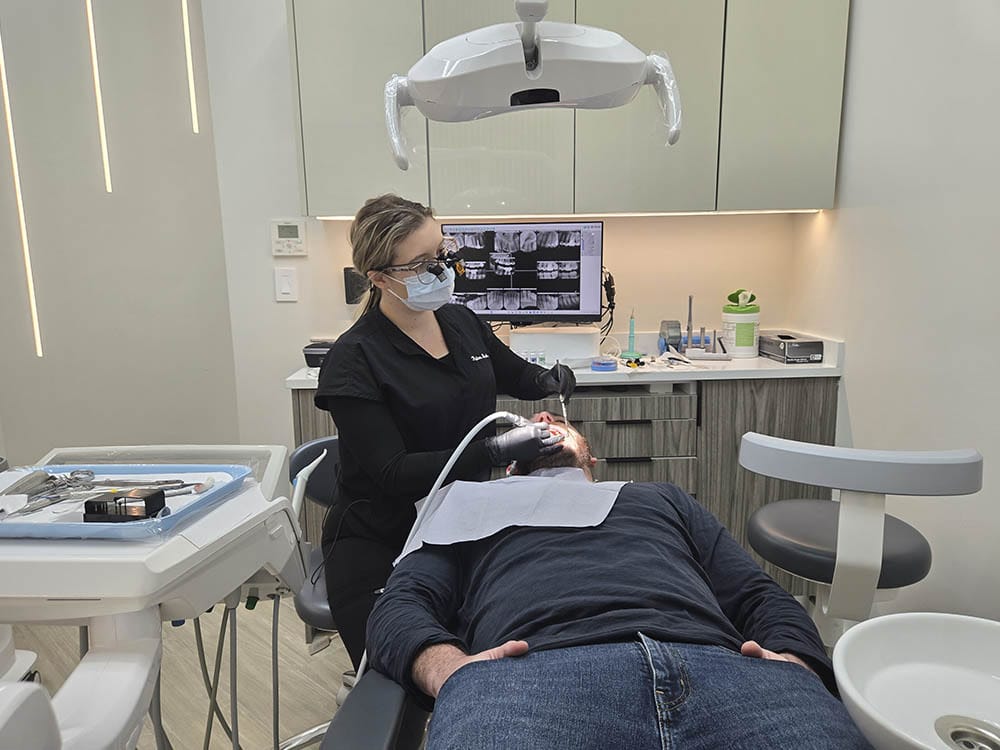
A dental filling is a restorative dentistry treatment to repair or fill small to medium-sized holes or cavities in teeth or to repair other signs of damage to a tooth. For example, if a tooth has sustained some loss of its structure.
When Is a Dental Filling Necessary?
There are various situations when you might need a dental filling, including:
- Tooth decay.
- Mending a cracked or chipped tooth.
- Restoring worn-down areas or damage to a tooth due to tooth grinding, nail biting, or other habits.
Types of Dental Fillings
Various filling materials are available at our dental clinic. Your choice may depend on the size of the cavity or type of damage to a tooth, the tooth’s location, your budget, and personal preference.
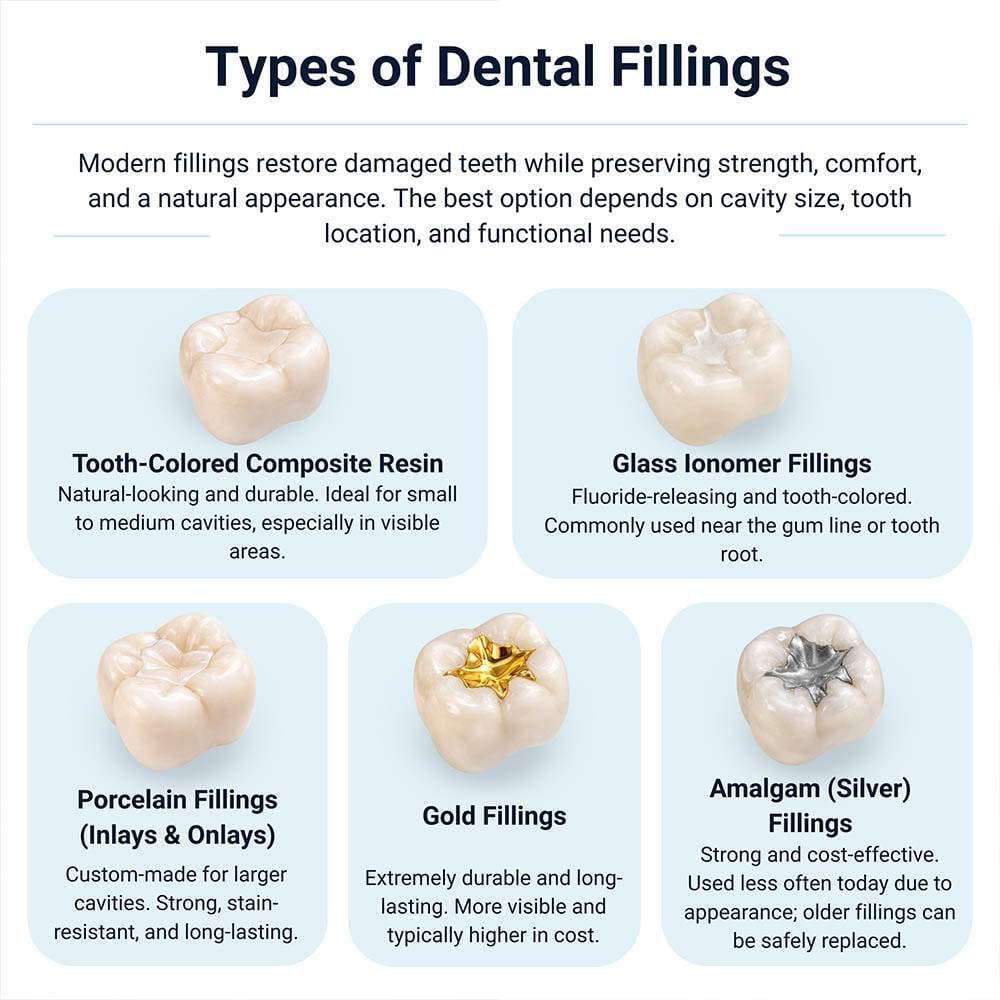
Options might include:
- Tooth coloured composite resin.
- Glass ionomer fillings.
- Porcelain fillings.
- Gold fillings.
- Amalgam fillings.
1. Tooth Coloured Composite Resin Fillings
If you need a small to medium-sized cavity filling in Sheepshead Bay, Brooklyn, we will almost certainly recommend using tooth colored composite resin. This modern material can mend cavities nearly invisibly and is hard-wearing and durable, and should last several years.
Composite resin is ideal for restoring teeth in your smile line. It is also a biomimetic material, closely mimicking a real tooth, so it works harmoniously with your natural tooth structure, bonding strongly to it.
2. Glass Ionomer Fillings
These fillings are also tooth-colored but cannot be used in specific situations, such as in load-bearing areas where a filling is subject to biting and chewing stresses. We usually recommend these fillings when repairing decay around a tooth root.
A glass ionomer filling is nearly invisible once placed, and the material can release fluoride, helping to protect the tooth and prevent further decay.
3. Porcelain Fillings
We may suggest a porcelain filling if you need to fill a larger cavity, such as in a back tooth or molar. These teeth must withstand substantial biting and chewing forces, and a composite resin filling would not be strong enough to repair a large cavity.
Porcelain fillings are indirect fillings because they are made outside of the mouth and are also called inlays and onlays.
An inlay only repairs the central part of the chewing surface of a back tooth. An onlay is larger than an inlay and can repair one or more of the tooth cusps.
A porcelain filling is fabricated using a detailed dental impression of the cavity and is bonded in place. These fillings are more expensive, but they are longer-lasting and stain-resistant.
4. Gold Fillings
Gold fillings are similar to porcelain, except they are made from a gold alloy and polished to a high sheen. They are also made outside of the mouth, so they are indirect fillings, fabricated using a dental impression of the tooth.
Like porcelain, a gold filling is hard-wearing and longer-lasting, but it is more expensive. The cost of a gold filling can depend on the market price of gold and the size of the restoration. Because the gold is highly visible in the mouth, porcelain may be a preferable option.
5. Amalgam fillings
Amalgam or silver coloured fillings were popular for many years. The material is a combination of different metals and includes mercury. It is hard-wearing and inexpensive, but highly visible in the mouth.
Nowadays, amalgam is less widely used and has largely been replaced by more modern alternatives, such as composite resin or porcelain. If you have older-style amalgam fillings, we can ensure they are removed safely.
What Our Patients Say About Us?
★★★★★
I had a great experience coming to this office for the first time. The esthetic of the office is clean, modern, and elegant. The front desk was nothing but pleasant. They got me in for an appointment for the following day and entered me into the system quickly. I was seen by Dr. Levin, who had fantastic bedside manner. He quickly and carefully performed a cleaning and filling. He has a soft touch that most dentists do not have. Overall I had a great experience and I would recommend this office.
Natalie D.
Benefits of Dental Fillings
Dental fillings are an excellent restorative treatment, and the benefits include:
- Preserving your natural tooth structure.
- A quick and painless procedure.
- Dental fillings last several years or longer with the right care.
- Tooth coloured fillings blend nearly invisibly with natural teeth.
What to Expect During Your Cavity Filling in Sheepshead Bay
Step One: Dental Exam and Digital Dental X-Rays
Dr. Igor Levin will need to examine each tooth, assessing them for any signs of weak spots or cavities. During your dental exam, every tooth is gently probed for any softening in the tooth enamel that could indicate a small cavity.
Digital dental X-rays enable a more detailed examination of your teeth, including areas that are hidden from view, such as the contact areas between teeth and tooth roots. They also share the extent of any damage to a tooth and whether the innermost part of the tooth, called the dental pulp, is affected.
Step Two: Preparing a Cavity
The next stage is to prepare a cavity for a filling. Your tooth is numbed with local anesthetic, ensuring you feel comfortable during treatment before all the decayed or damaged portion of the tooth is removed. The cavity is carefully shaped to receive the filling material.
Step Three: Placing a Filling
Once the cavity is ready, it is disinfected and prepared to receive the filling material. The filling material is gradually applied in small increments and is hardened with light.
When all the filling material is in place, the dentist will shape and polish it, checking your bite to ensure the filling isn’t too high.
Placing an Indirect Filling
If you have an indirect filling made from porcelain or gold, the process is slightly different. A detailed dental impression is taken of the prepared cavity and used to create your filling.
Sometimes a porcelain filling can be custom-made while you wait with our on-site CEREC machine. The filling is precision-milled following our dentists’ design, and once ready, it is hand-finished and polished, ready to fit.
If the filling cannot be made on the same day, we will place a temporary filling in the meantime. You will need to return for a second appointment so the filling can be tried in, adjusted if necessary, and bonded into your tooth.
When Would I Need a Filling?
Various symptoms can indicate there is a problem with the tooth, including:
- Increasing sensitivity to hot, cold, or very sweet foods and beverages.
- Visible dark spots or holes in a tooth.
- Toothache that may be continuous or present only when you bite down.
- Losing an existing filling or noticing it has started to crumble away.
If you’re dealing with sudden, severe pain or a lost filling, our team at VITAdent also offers prompt emergency care to address the problem quickly. If you have regular dental exams, we can often detect small fillings before you notice anything is wrong. Treatment at this stage is easier, as you may only need a tiny filling to repair a tooth.
Other Restorative Treatments We Provide
FREQUENTLY Asked Questions
Where to Find a Dentist Offering Dental Fillings Near Me?
If you’re looking for dental fillings in your area, here are practical ways to find a qualified dentist:
- Ask your primary care doctor, friends, or family for recommendations.
- Search online using the keyword “dental fillings near me.”
- Check patient reviews and ratings to gauge the quality of care.
- Confirm which dental insurance plans are accepted to avoid unexpected costs.
- Look for dentists affiliated with professional organizations, such as the American Dental Association (ADA).
- Check the dentist’s website for information on services, technology, and credentials.
- Consider the location and office hours for convenience.
- Schedule consultations with a few local dentists to discuss your options and treatment approach.
A skilled dentist can restore your teeth effectively, relieve discomfort, and prevent further decay, ensuring long-lasting results.
Are Dental Fillings Painful?
You shouldn’t feel any pain or discomfort when you have a filling since we numb the tooth before your treatment begins. Once the anaesthetic wears off, you might notice the tooth feels slightly more sensitive afterward. This feeling should disappear within a few days.
Sometimes a tooth will be slightly too high after a filling is placed, as it can be difficult to judge a bite when your mouth is numb. In this case, you may notice the tooth feels uncomfortable when you bite or chew, but treatment is easy. Dr. Levin can soon adjust your bite and reshape the filling so it feels entirely comfortable.
How Long Will a Filling Last?
You can reasonably expect your filling to last for several years. Caring for it properly will help prolong its natural life. Generally, a composite resin filling will need replacement after several years of use, and it can become stained over time. Glass ionomer fillings may also need to be replaced after several years.
Porcelain and gold fillings will last longer since the materials used to create them are much harder. However, they can be more expensive initially to install. All fillings will need replacing eventually.
Can I Replace My Old Fillings with Tooth Coloured Fillings?
Yes, and when you visit our dental practice, we can assess your existing fillings and determine if they need to be replaced immediately. We can discuss suitable options to replace them and provide you with a detailed treatment plan that includes the cost.
How Do I Care for Fillings?
You don’t need to do anything differently to care for your dental fillings, other than brushing and flossing normally. Follow your normal routine of brushing your teeth at least twice daily and flossing every day to help them last longer.
Will Dental Insurance Cover the Cost of My Filling?
A dental filling is a necessary treatment that protects and preserves the tooth. Therefore, your insurance policy will cover at least a percentage of the costs. The percentage covered can depend on the materials chosen.
Taking care of decay early prevents more costly and painful dental problems down the road. If you suspect you have a cavity, getting a cavity filling in Sheepshead Bay at VITAdent is a quick, straightforward solution to protect your tooth for years to come. Schedule your appointment today at (718) 766-0002 or visit our office on Avenue X in Sheepshead Bay, Brooklyn (11235).