
Table of contents
Oral cancer screenings should be part of your regular preventative dental care routine. Our skilled Sheepshead Bay dentists are specially trained to provide these essential checks during your routine dental exams.
What is an Oral Cancer Screening?
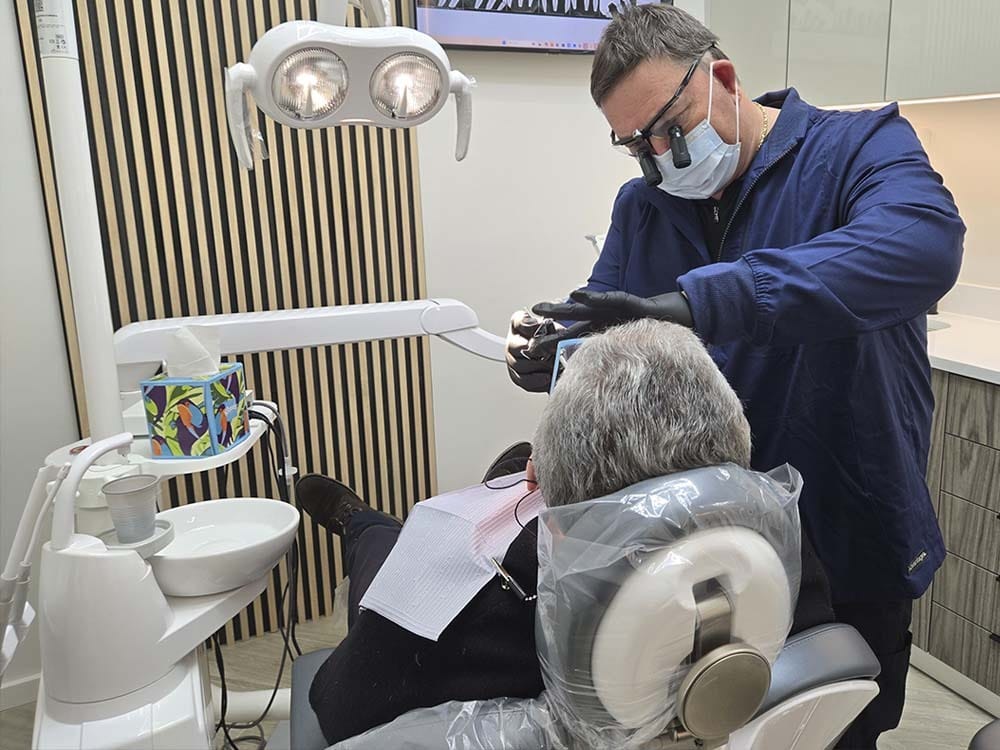
An oral cancer screening is a visual examination to check for any signs of changes to the soft tissues in your mouth.
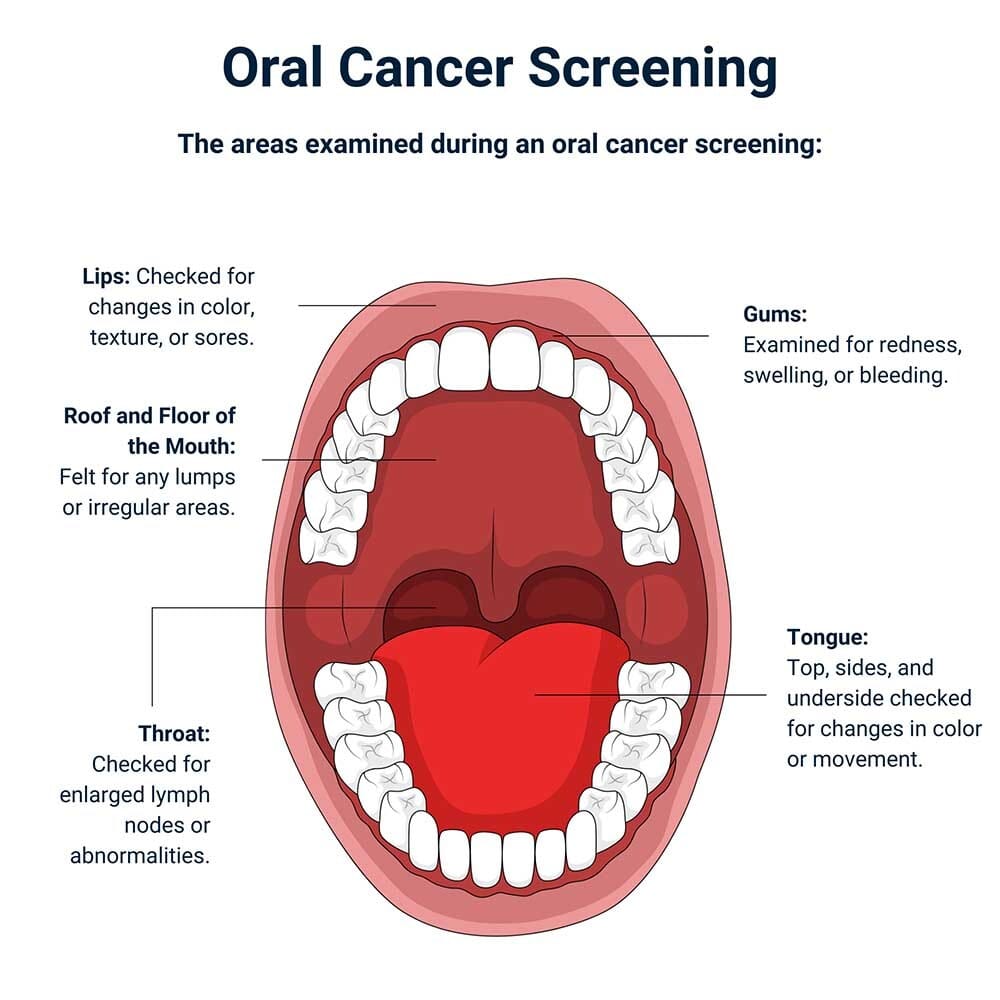
The areas we check include:
- Lips.
- Tongue.
- Inside of your cheeks.
- The roof and floor of your mouth.
- Gums.
- Tonsils.
During your oral cancer screening, our dentist may also gently feel these tissues to check for any changes to texture or unexplained lumps and bumps.
Why is an Oral Cancer Screening Important?
Oral cancer is a head and neck cancer and is relatively common. The five-year survival rates are a little over 50% so just over half of people diagnosed with this condition will be alive five years later.
These low survival rates are partially due to late diagnosis. Diagnosing this condition isn’t difficult, but the early stages can produce very few symptoms. Consequently, too many people are diagnosed when the disease is well advanced and much trickier to treat successfully.
What is Oral Cancer?
Oral cancer affects the soft tissues in your mouth. Some types of oral cancer can create sore patches that bleed frequently and fail to heal, or cause color changes, resulting in the development of white or red patches in the soft tissues.
Initially, these problems may seem minor, but they can indicate something is wrong and requires further investigation. Without diagnosis and treatment, oral cancer can spread from your mouth to other areas in your head and neck.
What Can Cause Oral Cancer?
Oral cancer begins when the DNA in the cells in your mouth starts to mutate, causing them to grow and multiply, eventually leading to the formation of tumors.
What Are the Risk Factors for Oral Cancer?
There are some known risk factors for this type of cancer, which include:
- Smoking cigarettes, pipes, or cigars.
- Using smokeless tobacco, including chewing tobacco, snuff, or water pipes.
- Drinking alcohol to excess.
- Exposure to the human papillomavirus (HPV).
- Excess exposure to the sun and failing to protect your lips with sunscreen.
- A family history of oral cancer.
Importantly, around a quarter of people who develop oral cancer have no known risk factors. Therefore, getting a regular oral cancer screening in Sheepshead Bay, Brooklyn, is vitally important.
Oral Cancer Symptoms
Oral cancer can cause changes to the soft tissues in your mouth. For example, you may notice patches of rougher skin or changes in color of these tissues.
These color changes can include:
- Leukoplakia, which causes gray or white patches in your mouth and can be a precursor to oral cancer.
- Erythroleukoplakia causes white or red patches.
- Erythroplakia causes red patches that are slightly raised and which can start to bleed if likely scraped.
Other signs of oral cancer can include:
- Sores that bleed easily and fail to heal within two weeks.
- Crusty areas inside your mouth or on your lips and gums.
- Unexplained bleeding in your mouth.
- Pain, tenderness, or numbness in your face or neck area that has no apparent cause.
- Problems chewing or swallowing food.
- Problems moving your jaws, tongue, or speaking.
- Earache.
- Persistent bad breath.
- Unexplained weight loss.
What Our Patients Say About Us?
What to Expect during an Oral Cancer Screening
An oral cancer screening is quick, non-invasive, and painless. You may have had this test in the past, but didn’t realize its purpose.
Visual Examination
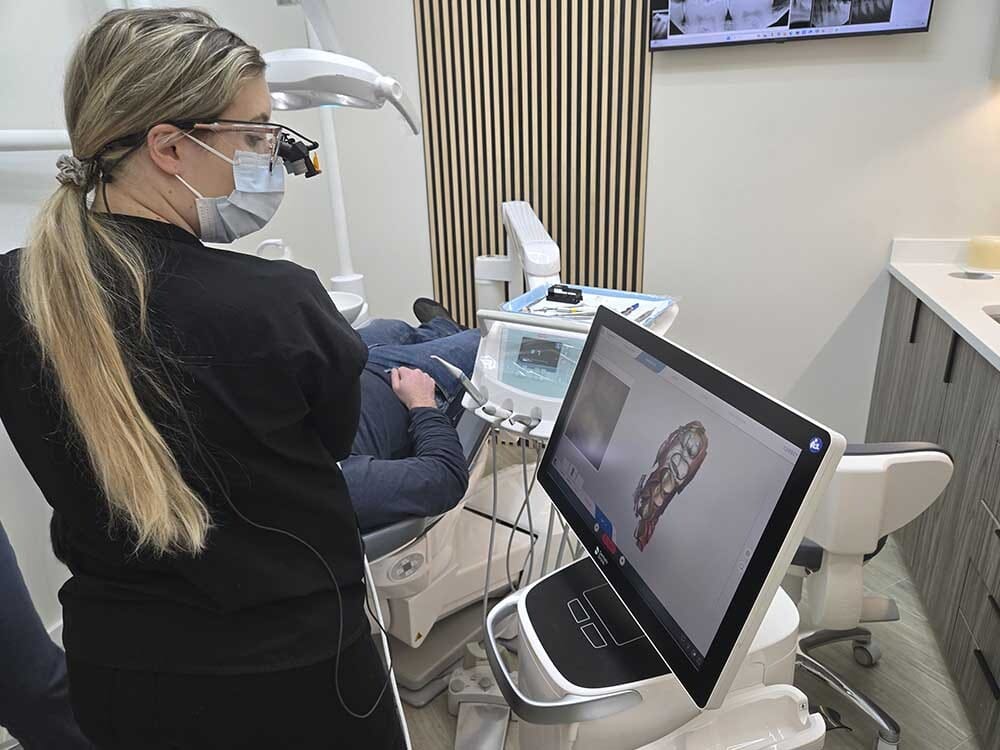
During your visual examination, our dentist, Dr. Igor Levin, will inspect the tissues inside your mouth and throat. He will be looking for any color changes, sore spots, or signs of lumps or rough patches.
It is possible to use an oral cancer screening light to help identify any abnormalities in the tissues in your mouth. With this, you swish your mouth with a fluorescent mouthwash, and your tissues are then checked for abnormalities. Any abnormalities will fluoresce slightly differently.
However, a visual dental exam is regarded as the gold standard.
Checking Your Face, Neck, and Jaw
Dr. Levin will carefully feel around your neck and jaw area. He is checking for any lumps, bumps, or swollen lymph nodes. Please let us know if you experience any tenderness or pain during this check.
Results
It is unlikely that anything will be found during your routine oral cancer screening. However, if Dr. Levin notices any changes, he may want to complete further tests.
Possible tests include:
- Cytology: A small sample of cells is collected from the area using a brush or a wooden stick. We then send these cells off for analysis by a pathologist.
- Biopsy: We would remove a small portion of the tissue to send to the pathologist. Sometimes the entire area may be removed during a biopsy, especially if it is small. We may remove this tissue using laser dentistry, so the process is relatively comfortable and quick.
If these tests detect any changes, you will be referred to a specialist, such as an ear, nose, and throat surgeon or an oral and maxillofacial surgeon.
Monthly Self-Examinations
Between visits to VitaDent, it can be worthwhile to conduct a monthly self-exam to detect any changes in your oral tissues. To do this, ensure you are in front of a mirror in a well-lit area and follow the steps below.
- Use a clean finger to feel your lips, the roof of your mouth, and your gums.
- Tip your head backward and look at the roof of your mouth.
- Gently pull out your cheeks so you can view the inside of them to check for any color changes or changes to the texture of the tissues.
- Stick your tongue out as far as you can and check the top, bottom, and sides. Check underneath your tongue to see the floor of your mouth.
- Use your fingers to feel around your neck, just underneath your lower jaw, for any signs of lumps or swollen lymph nodes.
Checking the inside of your mouth regularly can help you become accustomed to what looks normal, so if there are any changes, you can detect them more quickly.
If you notice any changes or have sore spots or ulcers that are not healing, please get in touch with us so we can assist you and hopefully put your mind at ease. Early diagnosis is crucial and can significantly reduce the risk of cancer growth or spread.
FREQUENTLY Asked Questions
How Often Do I Need an Oral Cancer Screening?
When you first come to see us, we assess your dental and medical health and can identify any possible risk factors for Oral cancer. Patients aged between 20 and 40 will need an Oral cancer screening every three years. Individuals aged 40 and above should undergo annual exams. If you are at higher risk, we may recommend more frequent screenings.
How Long Will an Oral Cancer Screening Take?
Typically, an oral cancer screening is very brief and can be completed in around five minutes or less.
Is an Oral Cancer Screening Covered by Dental Insurance?
As an essential preventive dentistry treatment, your oral cancer screening should be covered by dental insurance.
Protect your health with a quick oral cancer screening at VitaDent Brooklyn Dental Group. Led by Dr. Igor Levin, DDS, one of the best dentists in Sheepshead Bay, our team is dedicated to early detection and preventive care. If you have any concerns or want to book an appointment, contact us at (718) 766-0002 today or visit our office on Avenue X in Sheepshead Bay, Brooklyn (11235).